 By Caleb
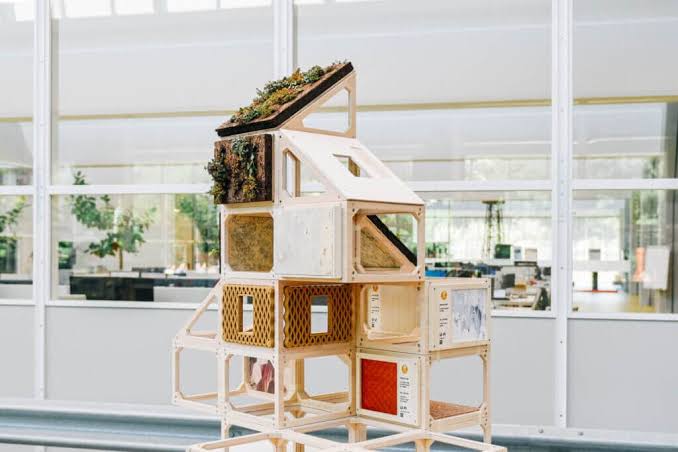
The way homes are designed and built is changing. For decades, construction has relied heavily on traditional materials such as concrete, steel, brick, and synthetic products. While these materials have helped create strong and durable buildings, they also come with environmental challenges, including high energy consumption, resource extraction, and construction waste.
As homeowners, architects, and builders look for more responsible solutions, recycled and bio-based building materials are gaining attention. These alternatives aim to reduce environmental impact while maintaining the strength, comfort, and performance expected from modern homes.
But an important question remains: are sustainable building materials truly ready for mainstream residential construction, or are they still limited to specialized projects and eco-friendly homes?
The answer is more balanced than simply yes or no. Many sustainable materials have already proven their value, while others still face challenges related to cost, availability, building standards, and consumer awareness.
Recycled building materials are products created by processing existing materials and giving them a second life in construction. Instead of sending waste to landfills, manufacturers transform discarded resources into useful building components.
Examples include:
- Recycled steel
- Reclaimed wood
- Recycled glass countertops
- Recycled plastic decking
- Reused bricks and tiles
- Materials made from construction waste
Bio-based building materials are made from renewable biological sources such as plants, agricultural waste, or natural fibers.
Common examples include:
- Bamboo
- Cork
- Hemp-based insulation
- Straw panels
- Wood fiber insulation
- Plant-based composites
- Mycelium-based materials
These materials focus on reducing dependence on limited resources while creating healthier and more environmentally responsible homes.
The growing interest in sustainable materials is connected to several changes in the construction industry and homeowner priorities.
Buildings consume a significant amount of resources throughout their lifecycle. From manufacturing materials to heating and cooling homes, construction has a major environmental footprint.
Many homeowners are now considering questions beyond appearance and price. They want to know:
- How was the material produced?
- How long will it last?
- Can it be recycled again?
- Does it improve energy efficiency?
This shift in thinking has increased demand for greener construction options.
Some sustainable materials offer excellent insulation and thermal performance. A well-designed home using the right materials can maintain comfortable indoor temperatures while reducing heating and cooling needs.
For example, natural insulation materials such as hemp or wood fiber can help regulate temperature and manage moisture when installed correctly.
The construction industry produces a large amount of waste from demolitions, renovations, and new projects. Recycled materials help reduce this waste by turning discarded resources into valuable products.
Using reclaimed wood or recycled metal can lower demand for newly extracted resources while preserving usable materials.
Steel is one of the most commonly recycled construction materials. It can be reused multiple times without losing its strength.
Recycled steel is often used for:
- Structural frames
- Roofing systems
- Support beams
- Reinforcement components
Its durability and recyclability make it a practical option for many residential projects.
Reclaimed wood has become popular for flooring, walls, furniture, and decorative features.
Beyond its environmental benefits, reclaimed wood provides unique character because each piece often contains natural aging, textures, and history.
However, homeowners should ensure reclaimed wood is properly inspected and treated to avoid issues such as pests, moisture damage, or chemical contamination.
Recycled plastic is being used for outdoor applications such as decking, fencing, and landscaping products.
Advantages include:
- Resistance to moisture
- Low maintenance requirements
- Long service life
These products can be especially useful in areas where traditional wood may experience faster deterioration.
Bamboo has become a popular alternative because it grows quickly compared with traditional hardwood trees.
It is used for:
- Flooring
- Cabinets
- Wall panels
- Decorative elements
High-quality bamboo products can provide strength and an attractive appearance, although proper manufacturing and treatment are important for durability.
Hemp can be processed into insulation products and building panels. Hemp-based insulation is valued for its ability to manage moisture and improve indoor comfort.
It is also a renewable crop that requires fewer resources compared with some conventional materials.
Cork comes from the bark of cork oak trees and can be harvested without cutting down the tree.
It is commonly used for:
- Flooring
- Wall coverings
- Acoustic panels
- Insulation applications
Cork offers natural sound absorption and thermal properties, making it useful for comfortable residential spaces.
One common concern is whether eco-friendly materials can match traditional construction products.
The reality is that many sustainable materials are already used successfully in residential and commercial buildings. However, performance depends on quality, installation, climate conditions, and proper design.
A poorly installed sustainable product may perform worse than a correctly installed traditional material. Sustainability does not replace good construction practices.
Factors homeowners should consider include:
- Local weather conditions
- Expected lifespan
- Maintenance requirements
- Manufacturer standards
- Professional installation
Choosing the right material for the right application is more important than simply selecting the “greenest” option.
Although sustainable materials have improved significantly, several challenges remain.
Some recycled and bio-based products cost more upfront because of specialized manufacturing processes or limited production.
However, lower maintenance costs and improved energy efficiency may help balance the investment over time.
Traditional construction materials are widely available almost everywhere. Some sustainable alternatives may be harder to find depending on location.
Local supply chains, transportation costs, and contractor experience can affect accessibility.
Many builders and homeowners are more comfortable using materials they have worked with for years.
As training improves and more successful projects demonstrate performance, adoption is expected to increase.
The future of home construction will likely not involve completely replacing traditional materials. Instead, it will involve combining the best features of conventional and sustainable solutions.
A modern home may include:
- Recycled steel structures
- Energy-efficient windows
- Bio-based insulation
- Smart energy systems
- Sustainable flooring
- Low-impact finishes
The focus will be on creating homes that are durable, efficient, comfortable, and environmentally responsible.
Recycled and bio-based building materials are no longer experimental concepts limited to small eco-friendly projects. Many sustainable alternatives are already practical options for modern homes, offering benefits such as reduced waste, improved efficiency, and lower environmental impact.
However, they are not a one-size-fits-all solution. Homeowners need to consider durability, climate, budget, availability, and professional installation before making decisions.
As technology improves and sustainable manufacturing becomes more common, these materials are likely to become a larger part of mainstream construction. The future of home building may not simply be about creating bigger houses, but about creating smarter, healthier, and more responsible spaces.