 By Caleb
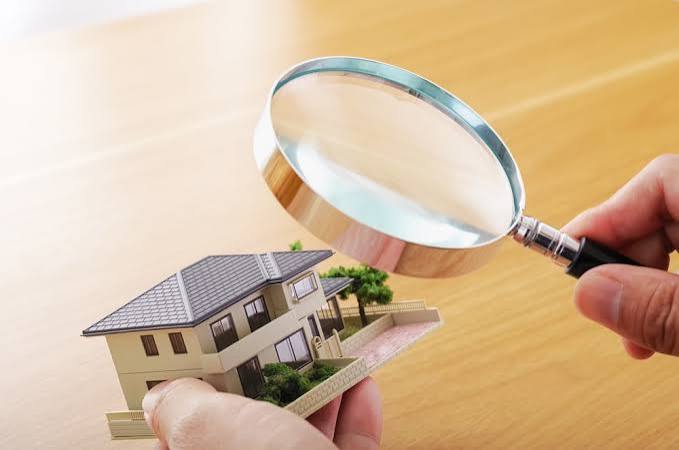
Buying a home or maintaining an existing property requires understanding what is happening beyond what the eye can see. A house may look perfect on the surface while hiding problems related to plumbing, electrical systems, roofing, structure, insulation, or moisture damage. This is why inspections play an important role in protecting homeowners from unexpected repair costs.
Many homeowners wonder whether they should hire a professional inspector or simply inspect the property themselves. A DIY inspection can be useful for regular maintenance and identifying obvious issues, but it has limitations. Professional home inspections involve specialized tools, training, experience, and a systematic approach that allows inspectors to discover problems that most homeowners may overlook.
Understanding the difference between professional and DIY inspections helps property owners make better decisions and avoid expensive surprises.
A DIY home inspection is when a homeowner personally examines their property to identify visible problems, maintenance needs, and potential warning signs. It does not require hiring a specialist and is often performed during regular home checks or before purchasing a property.
A homeowner may inspect areas such as:
- Visible cracks in walls
- Water stains on ceilings
- Damaged flooring
- Leaking faucets
- Appliance conditions
- Window and door operation
- Exterior damage
- Signs of pests
DIY inspections are valuable because homeowners understand their property better over time. Regular checks can help catch small issues before they become major repairs.
For example, noticing a small water stain under a sink early may prevent cabinet damage, mold growth, and expensive plumbing repairs later.
However, DIY inspections usually focus on visible conditions and basic functionality. Many serious problems develop in hidden areas that require professional knowledge and equipment to identify.
A professional home inspector follows a structured process to evaluate the overall condition of a property. They are trained to recognize signs of damage, safety risks, construction problems, and system failures.
A typical professional inspection may cover:
- Foundation and structural components
- Roof condition
- Attic spaces
- Electrical systems
- Plumbing systems
- Heating and cooling equipment
- Insulation and ventilation
- Windows and doors
- Interior and exterior conditions
- Safety concerns
Professional inspectors do not simply look for visible damage. They analyze how different systems work together and identify potential future problems.
For example, an inspector may notice that poor attic ventilation is contributing to moisture buildup, which could eventually damage insulation and roofing materials.
A homeowner inspection can identify many common problems, especially those that are easy to see or test without specialized equipment.
Homeowners can often identify:
- Ceiling stains
- Wet areas under sinks
- Peeling paint
- Damp walls
- Mold growth
These signs may indicate plumbing leaks, roof problems, or ventilation issues.
A DIY inspection may reveal:
- Broken outlets
- Missing switch covers
- Flickering lights
- Exposed wires
- Overloaded extension cords
These observations can help homeowners recognize obvious safety concerns.
Checking the outside of a property can reveal:
- Cracked siding
- Damaged gutters
- Broken fencing
- Deteriorated paint
- Missing roof materials visible from the ground
DIY inspections are especially useful for routine maintenance. Homeowners can regularly check filters, drainage areas, seals, fixtures, and outdoor spaces to prevent small problems.
Although DIY inspections are helpful, many important issues require professional experience.
A homeowner may not notice early signs of structural movement, foundation settlement, or framing problems.
Small cracks can sometimes be harmless, but others may indicate deeper issues. Professionals understand crack patterns, locations, and warning signs that require further evaluation.
Many electrical problems are hidden behind walls or inside panels.
A professional inspector may identify:
- Incorrect wiring
- Outdated electrical components
- Improper repairs
- Safety hazards inside electrical panels
These issues can create fire risks even when everything appears normal.
Many homeowners inspect roofs from the ground, but roofing issues are often difficult to identify without experience.
Professionals can recognize:
- Aging materials
- Improper installation
- Hidden leaks
- Poor flashing
- Ventilation problems
A roof may appear acceptable while already developing weaknesses.
Water damage is not always visible. Moisture can exist behind walls, under floors, or inside insulation.
Professional inspectors may use moisture detection tools to locate areas with unusual readings and investigate possible causes.
One major difference between professional and DIY inspections is access to specialized equipment.
Professionals may use tools such as:
Infrared technology helps identify temperature differences that may indicate:
- Moisture problems
- Missing insulation
- Electrical overheating
- HVAC issues
These devices measure moisture levels in materials and help locate hidden water problems.
Professional tools can test electrical systems more accurately than simply checking whether outlets work.
Experienced inspectors follow detailed procedures to ensure important areas are not overlooked.
DIY inspections are useful for homeowners who want to maintain their property regularly.
They are suitable for:
- Seasonal maintenance checks
- Preparing a home before selling
- Monitoring previous repairs
- Finding obvious problems early
- Understanding basic home conditions
A monthly or seasonal inspection routine can help homeowners stay aware of their property’s condition.
Professional inspections are especially important during major decisions, such as:
A home purchase is one of the largest financial decisions most people make. A professional inspection can reveal issues that may affect negotiations or future expenses.
Older homes often contain outdated systems, aging materials, and hidden maintenance challenges.
Before removing walls, changing layouts, or upgrading systems, homeowners should understand existing conditions.
A pre-sale inspection can help sellers identify problems before buyers discover them.
Even professional inspections have limitations. Inspectors cannot predict every future problem or guarantee that a property will never need repairs.
Some issues may require specialized professionals, including:
- Engineers for structural concerns
- Electricians for detailed electrical repairs
- Plumbers for complex plumbing problems
- Environmental specialists for hazardous materials
A professional inspection provides valuable information, but it is not a replacement for ongoing maintenance.
The best approach for many homeowners is using both methods together.
Professional inspections provide expert evaluation at important moments, while DIY checks help maintain the property between inspections.
For example:
- Hire a professional inspector when purchasing a home
- Perform seasonal DIY checks throughout ownership
- Schedule specialists when warning signs appear
- Keep records of repairs and maintenance
This combination creates a stronger home maintenance strategy.
Professional home inspections and DIY inspections both have important roles, but they serve different purposes. DIY inspections help homeowners identify visible issues and maintain their properties, while professional inspections provide deeper analysis using experience, training, and specialized equipment.
A homeowner may notice a leaking faucet or damaged paint, but a professional may identify the hidden cause behind the problem. Investing in professional inspection when making major property decisions can prevent costly mistakes and provide confidence about a home’s true condition.
A well-maintained home is not only about fixing problems after they appear. It is about understanding the property, identifying risks early, and making informed decisions that protect long-term value.