 By Caleb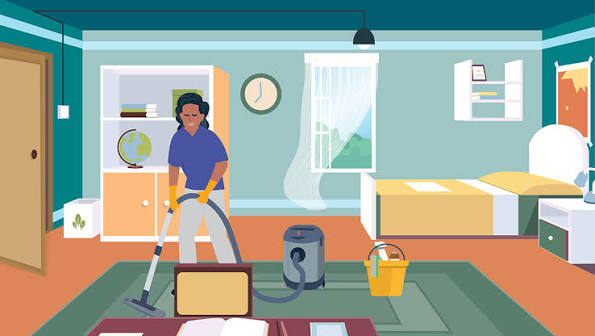
A clean home is about more than appearances. Good home hygiene plays an important role in protecting our health, improving indoor air quality, and creating a comfortable place where everyone can relax. Every day, our homes collect dust, dirt, bacteria, pollen, pet hair, and other allergens that can affect both cleanliness and overall well-being.
Fortunately, maintaining a hygienic home doesn’t require constant deep cleaning or expensive products. The most effective approach is building simple daily and weekly habits that prevent germs and allergens from accumulating in the first place.
Whether we live alone or with a large family, improving home hygiene benefits everyone. Regular cleaning, proper ventilation, safe food handling, and organized living spaces all contribute to a healthier home.
In this guide, we’ll explore practical tips that help reduce germs and allergens while making everyday cleaning easier and more effective.
Why Home Hygiene Matters
Good hygiene helps protect both our home and our health.
Maintaining a clean environment can help:
- Reduce the spread of germs
- Improve indoor air quality
- Lower exposure to dust and allergens
- Prevent unpleasant odors
- Reduce mold growth
- Create a more comfortable living space
- Support healthier daily living
The goal isn’t to eliminate every germ. Instead, it’s to reduce harmful buildup through consistent cleaning habits.
Focus on High-Touch Surfaces
Some areas of the home are touched dozens of times every day.
These surfaces can collect dirt and germs quickly.
Pay extra attention to:
- Door handles
- Light switches
- Cabinet handles
- Refrigerator handles
- Remote controls
- Computer keyboards
- Desk surfaces
- Faucet handles
- Stair railings
Cleaning these areas regularly helps keep the home fresher and more hygienic.
Wash Hands After Household Chores
Handwashing is one of the simplest hygiene habits.
Wash hands after:
- Taking out the trash
- Cleaning bathrooms
- Handling raw food
- Gardening
- Touching pet waste
- Returning home from outside
Clean hands help prevent germs from spreading throughout the house.
Improve Indoor Air Circulation
Fresh air plays an important role in maintaining a healthy home.
Open windows whenever weather permits.
Good airflow helps reduce:
- Indoor odors
- Excess moisture
- Dust buildup
- Stale air
Even opening windows for a short period each day can noticeably improve indoor freshness.
Vacuum Floors Regularly
Floors collect dust, dirt, pollen, pet hair, and tiny particles that settle throughout the day.
Vacuum:
- Carpets
- Area rugs
- Hallways
- Bedrooms
- Living rooms
- Upholstered furniture
Pay special attention to high-traffic areas where dirt accumulates more quickly.
Mop Hard Floors Frequently
Vacuuming removes loose dirt, but mopping helps clean the remaining dust and residue.
Kitchen and bathroom floors usually need more frequent attention because of moisture and food spills.
Keeping floors clean reduces the amount of dirt that spreads throughout the home.
Dust From Top to Bottom
Dust naturally settles downward.
When cleaning a room, begin with higher surfaces before moving to lower ones.
Dust:
- Shelves
- Ceiling fans
- Cabinets
- Window ledges
- Tables
- Baseboards
This approach prevents cleaned areas from becoming dusty again during the same cleaning session.
Wash Bedding Regularly
Beds collect body oils, sweat, dust, and allergens over time.
Wash:
- Bed sheets
- Pillowcases
- Blanket covers
- Mattress protectors
Changing bedding every week helps maintain a cleaner sleeping environment.
Don’t forget decorative pillow covers if they’re used regularly.
Clean Curtains and Upholstery
Soft furnishings trap airborne particles that aren’t always visible.
Regularly clean:
- Curtains
- Sofa covers
- Cushions
- Upholstered chairs
- Throw blankets
Vacuuming fabric surfaces between washes also helps reduce dust.
Control Moisture to Prevent Mold
Excess moisture encourages mold and mildew growth.
Reduce humidity by:
- Using bathroom exhaust fans
- Opening windows after showers
- Repairing leaks quickly
- Drying wet towels completely
- Avoiding standing water
Keeping moisture under control protects both the home and indoor air quality.
Keep the Kitchen Hygienic
The kitchen requires regular attention because food preparation creates many opportunities for germs to spread.
Simple habits include:
- Wiping countertops after meals
- Washing dishes promptly
- Cleaning cutting boards thoroughly
- Emptying food waste regularly
- Cleaning sinks every day
- Storing food properly
A clean kitchen supports both hygiene and food safety.
Store Food Correctly
Improper food storage can lead to spoilage and unpleasant odors.
Keep dry foods in sealed containers.
Store leftovers in covered containers.
Check expiration dates regularly.
Remove spoiled food promptly to prevent contamination.
Organized food storage also reduces waste.
Empty Trash Frequently
Trash bins quickly become sources of odors and bacteria.
Empty kitchen and bathroom bins regularly.
Wash trash cans occasionally using warm water and mild soap.
Allow bins to dry completely before replacing liners.
Clean bins contribute to a fresher-smelling home.
Keep Bathrooms Clean
Bathrooms naturally experience more moisture than other rooms.
Maintain good hygiene by:
- Cleaning sinks regularly
- Washing toilets routinely
- Wiping mirrors
- Cleaning shower walls
- Drying wet surfaces
- Washing bath mats
Small daily tasks reduce the need for lengthy deep cleaning.
Wash Towels Often
Bathroom and kitchen towels absorb moisture throughout the day.
Replace and wash them regularly.
Avoid leaving damp towels in piles, as moisture encourages unpleasant odors.
Allow towels to dry completely between uses.
Reduce Dust Around the Home
Dust contains many tiny particles, including fabric fibers, pollen, pet dander, and outdoor dirt.
To reduce dust:
- Dust regularly.
- Vacuum frequently.
- Keep windows clean.
- Organize clutter.
- Wash bedding often.
- Clean air vents periodically.
Reducing dust helps improve indoor comfort, especially for allergy sufferers.
Keep Pet Areas Clean
Pets naturally shed hair and bring dirt inside.
Clean pet spaces by:
- Washing pet bedding
- Vacuuming favorite resting areas
- Cleaning food bowls daily
- Brushing pets regularly
- Emptying litter boxes frequently
Maintaining pet hygiene also supports overall home cleanliness.
Organize Clutter
Clutter creates additional surfaces where dust can settle.
Keeping rooms organized makes cleaning faster and more effective.
Regularly review:
- Shelves
- Closets
- Tables
- Storage baskets
Removing unnecessary items simplifies household maintenance.
Wash Reusable Cleaning Tools
Cleaning tools also require cleaning.
Wash or replace:
- Cleaning cloths
- Mop heads
- Sponges
- Dusters
- Scrub brushes
Dirty cleaning tools may spread dirt instead of removing it.
Allow them to dry completely after use.
Create a Weekly Cleaning Routine
Breaking household cleaning into smaller tasks keeps hygiene manageable.
A simple weekly routine might include:
Daily
- Wash dishes
- Wipe kitchen counters
- Clean bathroom sinks
- Empty trash if needed
- Sweep busy areas
Weekly
- Vacuum floors
- Mop hard surfaces
- Dust furniture
- Wash bedding
- Clean bathrooms
- Organize clutter
Monthly
- Wash curtains
- Deep clean appliances
- Clean inside cabinets
- Vacuum under furniture
- Inspect storage areas
Consistent routines prevent dirt and allergens from building up.
Encourage Good Household Habits
Good hygiene is easier when everyone participates.
Simple family habits include:
- Removing shoes at the entrance
- Washing hands after returning home
- Cleaning up spills immediately
- Putting dirty laundry in hampers
- Returning household items after use
These small actions contribute to a cleaner home every day.
Common Home Hygiene Mistakes
Many homes stay clean on the surface but overlook important hygiene habits.
Common mistakes include:
- Forgetting high-touch surfaces
- Leaving wet towels folded
- Allowing dishes to sit overnight
- Ignoring hidden dust
- Waiting too long to empty trash
- Skipping bedding changes
- Forgetting to clean cleaning tools
- Allowing clutter to accumulate
Correcting these habits greatly improves overall cleanliness.
Final Thoughts
Maintaining good home hygiene doesn’t require spending hours cleaning every day. Instead, it’s built on consistent habits that prevent dirt, germs, and allergens from accumulating over time. Simple actions like washing bedding regularly, cleaning high-touch surfaces, improving ventilation, vacuuming frequently, and keeping kitchens and bathrooms tidy can make a noticeable difference in both cleanliness and comfort.
A hygienic home is one where everyone can breathe easier, feel more comfortable, and enjoy a healthier living environment. By following a practical cleaning routine and encouraging good household habits, we can reduce everyday contaminants while making our home easier to maintain throughout the year. Small efforts practiced consistently often deliver the greatest long-term results, helping us create a home that feels clean, fresh, and welcoming every day.
Frequently Asked Questions
How often should we clean high-touch surfaces?
Areas like door handles, light switches, and remote controls should be cleaned regularly because they are used frequently throughout the day.
What’s the easiest way to reduce household allergens?
Regular vacuuming, dusting, washing bedding, controlling moisture, and improving ventilation all help reduce allergens.
How often should bedding be washed?
Most households benefit from washing bed sheets and pillowcases about once a week.
Why is ventilation important for home hygiene?
Fresh air helps reduce moisture, stale odors, and airborne particles while improving indoor air quality.
Do we need to deep clean every week?
No. Regular daily maintenance combined with scheduled weekly cleaning is usually enough to keep most homes clean and hygienic.
 Tiberius