 By Caleb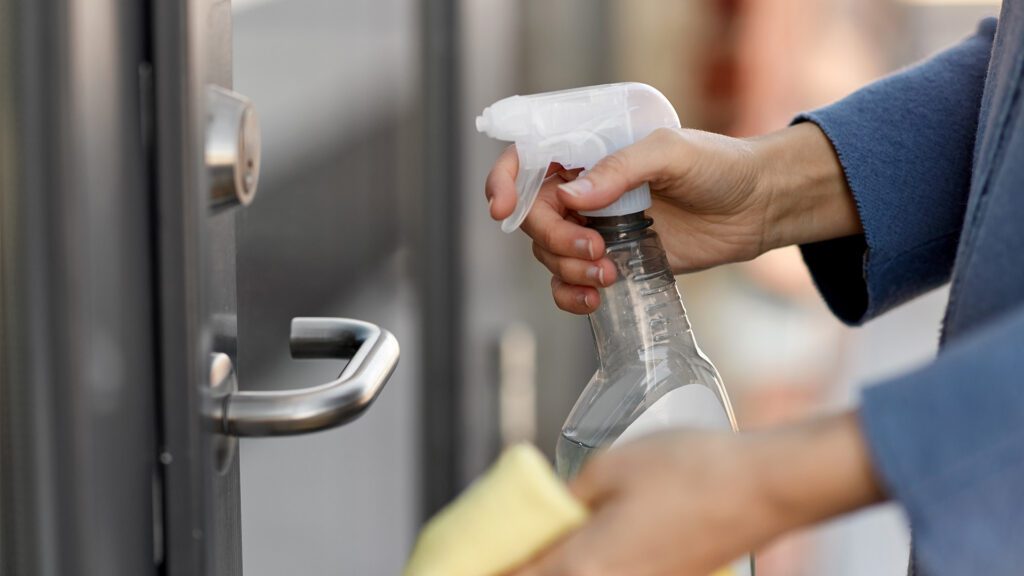
Most of us have a regular cleaning routine that covers the obvious areas. We vacuum the floors, wipe kitchen counters, clean bathrooms, and dust furniture. While these tasks are important, many parts of the home quietly collect dust, dirt, grease, and germs without receiving much attention.
These overlooked areas may not seem dirty at first glance, but over time they can affect indoor air quality, contribute to unpleasant odors, and make our homes less hygienic. The good news is that most of these spaces only need occasional attention and can be cleaned in just a few minutes.
Adding these forgotten spots to our regular cleaning routine helps create a fresher, healthier, and more comfortable home. In this guide, we’ll explore the most commonly overlooked areas that deserve a little extra care.
Why Hidden Areas Matter
Dust, moisture, and everyday use affect every part of a home—not just the places we see.
Cleaning overlooked areas helps us:
- Improve indoor air quality
- Reduce dust buildup
- Prevent unpleasant odors
- Extend the life of household items
- Improve overall cleanliness
- Make deep cleaning easier
Small tasks completed regularly prevent larger cleaning jobs later.
Light Switches
Light switches are touched multiple times every day but are often forgotten during cleaning.
Over time, they collect fingerprints, dust, and grime.
A quick wipe during routine cleaning helps keep them looking fresh.
Don’t forget switches in:
- Bedrooms
- Bathrooms
- Hallways
- Garages
- Laundry rooms
Door Handles and Knobs
Every door in the home is used repeatedly throughout the day.
Interior and exterior handles can accumulate dirt without becoming visibly dirty.
Include them in your regular cleaning schedule, especially those used most often.
Cabinet Handles
Kitchen and bathroom cabinet handles frequently collect grease, moisture, and fingerprints.
Because we touch them while cooking or washing our hands, they benefit from regular cleaning.
Even polished cabinets can appear dull if the handles are dirty.
Remote Controls
Television and media remote controls are among the most frequently handled household items.
Dust and grime can build up between buttons over time.
Adding them to your weekly cleaning routine only takes a minute.
Computer Keyboards and Mouse
Home offices and study areas often contain equipment that is used daily.
Dust, crumbs, and fingerprints can accumulate on keyboards and computer mice.
Regular cleaning keeps workspaces looking neat and comfortable to use.
Ceiling Fans
Ceiling fans collect dust on the tops of their blades.
When turned on, they can spread that dust throughout the room.
Cleaning fan blades every few weeks helps improve indoor cleanliness and keeps the fan operating efficiently.
Air Vents
Heating and cooling vents naturally collect dust over time.
Dirty vents may circulate dust back into living spaces.
Vacuum or wipe vent covers regularly to reduce buildup.
Keeping them clean also improves the appearance of each room.
Baseboards
Baseboards quietly gather dust, pet hair, and dirt.
Because they’re close to the floor, they often go unnoticed.
A quick wipe while cleaning floors helps maintain a polished appearance throughout the home.
Window Tracks
While many people clean the glass, window tracks are often ignored.
Dust, insects, and outdoor debris can collect inside these narrow spaces.
Cleaning them occasionally helps windows operate more smoothly and keeps dirt from spreading indoors.
Curtains and Blinds
Window coverings trap dust every day.
Depending on the material, they may be vacuumed, dusted, or washed according to their care instructions.
Clean curtains and blinds contribute to better indoor air quality.
Behind Furniture
Dust naturally settles in areas that are difficult to reach.
Move sofas, chairs, and small tables occasionally to clean behind and underneath them.
You may also discover items that have been misplaced.
Under Large Appliances
Refrigerators, ovens, washing machines, and dryers often remain in the same place for years.
Dust, food crumbs, and debris gradually accumulate underneath.
Cleaning these areas occasionally helps improve hygiene and may even support appliance performance.
Refrigerator Shelves and Drawers
It’s easy to focus on visible spills while overlooking removable shelves and storage drawers.
Regularly empty the refrigerator, wipe shelves, and check for expired food.
A clean refrigerator keeps food storage more hygienic and helps prevent unpleasant odors.
Microwave Interior
Food splatters inside the microwave can build up quickly.
Cleaning the interior regularly prevents stains from becoming harder to remove and keeps the appliance smelling fresh.
Don’t forget the door and control panel.
Dishwasher Interior
Although dishwashers clean dishes, they also need cleaning themselves.
Food particles and residue may collect over time.
Wipe the interior, inspect the filter if your model has one, and clean around the door seal.
Kitchen Exhaust Hood
Grease naturally accumulates around cooking areas.
The exterior and filters of kitchen exhaust hoods should be cleaned regularly to prevent excessive buildup.
Keeping this area clean also improves the appearance of the kitchen.
Trash Cans
Many people replace trash bags but rarely clean the bins themselves.
Even with liners, small leaks and spills can occur.
Wash trash cans regularly and allow them to dry completely before adding a new bag.
Bathroom Exhaust Fans
Bathroom fans help remove moisture but also collect dust.
Cleaning the fan cover occasionally improves airflow and helps reduce moisture buildup in the room.
Shower Curtains and Liners
Soap residue and moisture can accumulate over time.
Wash or clean shower curtains and liners according to the manufacturer’s instructions.
This helps keep the bathroom looking fresh.
Toothbrush Holders
Toothbrush holders collect water droplets, toothpaste residue, and dust.
Empty and clean them regularly to maintain good bathroom hygiene.
Laundry Baskets
Dirty clothing leaves lint, dust, and small debris inside laundry baskets.
Wipe baskets occasionally to keep them fresh and clean.
Washing Machine
The inside of the washing machine also deserves attention.
Leave the door or lid open after use when appropriate to allow moisture to escape.
Wipe the rubber seals and detergent drawer regularly to reduce residue buildup.
Under Beds
The space under beds often becomes a hidden collection point for dust.
Vacuuming underneath helps reduce dust accumulation and improves bedroom cleanliness.
If you store items under the bed, organize and clean them periodically.
Closets
Closets collect dust even when doors remain closed.
Vacuum floors, wipe shelves, and organize clothing every few months.
Removing unused items also creates more storage space.
Pet Areas
Pet beds, feeding stations, toys, and favorite resting places deserve regular cleaning.
Wash pet bedding, clean food bowls daily, and vacuum areas where pets spend the most time.
This helps reduce hair, odors, and dirt throughout the home.
Entryways
The entrance brings outdoor dirt into the house every day.
Clean:
- Door mats
- Shoe storage
- Entry benches
- Coat hooks
- Corners near the front door
Keeping the entryway clean reduces the amount of dirt carried into other rooms.
Decorative Items
Picture frames, lamps, vases, and decorative objects often collect dust.
Instead of dusting around them, lift each item and clean both the object and the surface underneath.
This gives shelves and tables a noticeably cleaner appearance.
Storage Baskets and Containers
Storage bins help organize our belongings, but they also collect dust.
Empty them occasionally, wipe them clean, and reorganize the contents.
This prevents clutter from building unnoticed.
Garage Shelves
Garages naturally accumulate dust and debris.
Clean shelves, organize tools, and remove items you no longer use.
A tidy garage makes it easier to find what you need and creates additional storage space.
Outdoor Furniture
Patio furniture, porch chairs, and outdoor tables are exposed to weather throughout the year.
Cleaning them regularly helps extend their lifespan and keeps outdoor spaces inviting.
Build an Overlooked Area Cleaning Schedule
Rather than cleaning every hidden area at once, spread the tasks throughout the month.
Weekly
- Light switches
- Door handles
- Cabinet handles
- Remote controls
- Kitchen trash cans
- Bathroom counters
Monthly
- Ceiling fans
- Air vents
- Baseboards
- Window tracks
- Under furniture
- Pet areas
- Laundry baskets
Every Few Months
- Under appliances
- Closets
- Garage shelves
- Curtains
- Outdoor furniture
- Refrigerator shelves
A simple schedule keeps these forgotten spaces under control without adding too much work.
Common Cleaning Mistakes
Many people unintentionally skip important areas.
Common mistakes include:
- Cleaning around furniture instead of behind it
- Forgetting high-touch surfaces
- Ignoring air vents
- Never moving appliances
- Overlooking window tracks
- Forgetting trash cans
- Skipping ceiling fans
- Ignoring storage spaces
Adding these areas to your routine creates a much more complete cleaning system.
Final Thoughts
Keeping a home truly clean involves more than vacuuming floors and wiping visible surfaces. The areas we often overlook—such as ceiling fans, air vents, baseboards, cabinet handles, and the spaces behind furniture—gradually collect dust, dirt, and everyday grime that can affect the overall cleanliness of our living environment.
The good news is that these hidden spots don’t require constant attention. By adding a few forgotten areas to our weekly and monthly cleaning routines, we can prevent buildup before it becomes a bigger problem. Over time, these small efforts create a home that not only looks cleaner but also feels fresher, healthier, and more comfortable for everyone who lives there.
Frequently Asked Questions
Why do hidden areas get dirty so quickly?
Dust naturally settles in places with little airflow or movement, while grease, moisture, and everyday use also contribute to buildup over time.
How often should overlooked areas be cleaned?
Many hidden areas only need monthly or seasonal cleaning, while frequently touched surfaces should be cleaned more regularly.
Which overlooked area usually contains the most dust?
Ceiling fans, baseboards, air vents, under furniture, and behind large appliances are common dust collection areas.
Do I need special cleaning products?
No. Most overlooked areas can be cleaned effectively using basic household cleaning supplies and regular maintenance.
What’s the easiest way to remember hidden cleaning tasks?
Create a simple monthly checklist and clean one or two overlooked areas each week instead of tackling everything at once.
 Tiberius