 By Tiberius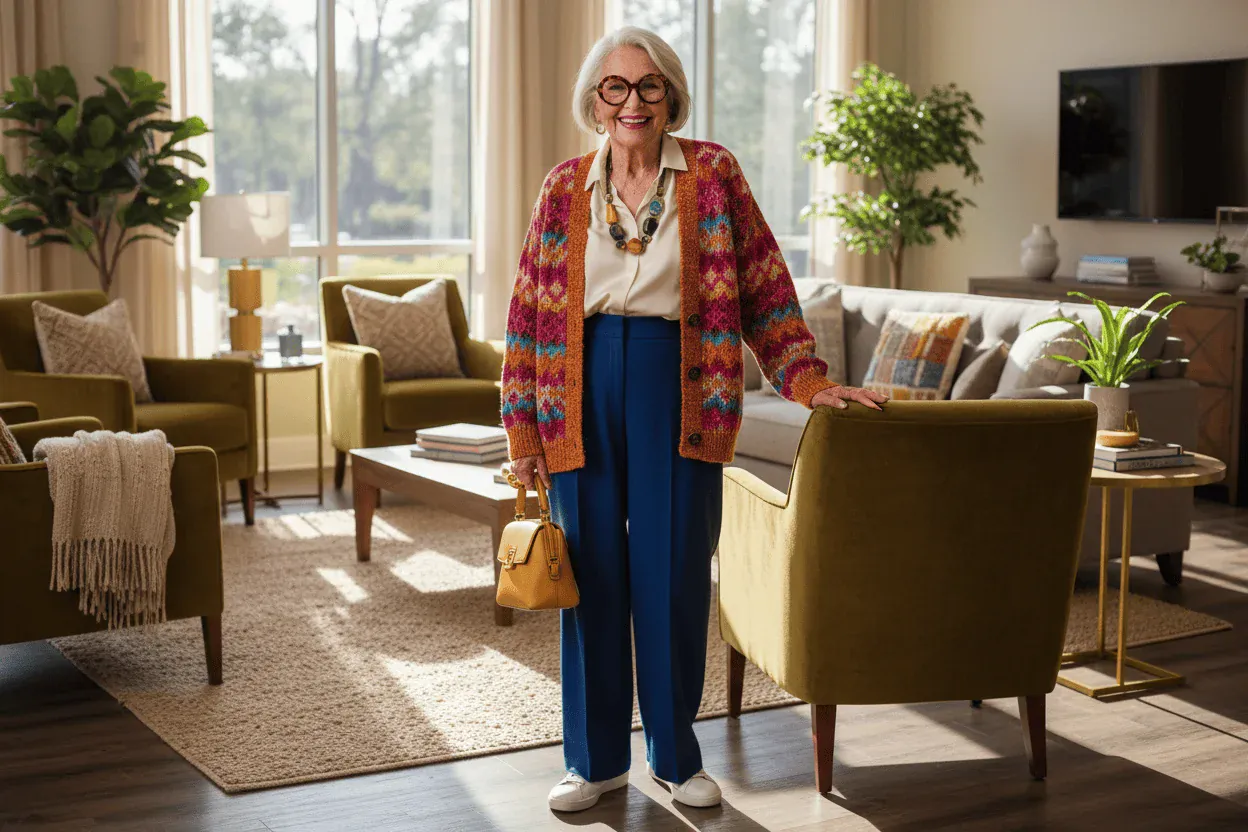
Clothing That’s Actually Stylish — and Actually Comfortable — for Seniors
Here’s a question worth asking: why can’t the clothes seniors wear do both jobs at once — look sharp and feel genuinely good? For a lot of older adults, that balance seems completely out of reach. Mainstream fashion chases trends. It doesn’t chase the needs of aging bodies. Seniors end up squeezed into a narrow, often grim set of options — nothing flattering, nothing designed with them in mind. The right fabric choices, smarter design details, and a clear-eyed sense of what aging bodies actually need can change that entirely. A real wardrobe is possible. One that looks good. One that feels even better.
1. Closures That Don’t Fight You
Tiny buttons are a nightmare. So are finicky zippers and fussy clasps — especially for anyone dealing with arthritis, reduced grip strength, or shifting vision. Daily obstacles. That’s what they are. Adaptive closures fix that problem directly. Magnetic snaps, oversized buttons, hook-and-loop fasteners — all of these demand far less precision than traditional options. And today’s designs have genuinely caught up: what once screamed “medical garment” now looks indistinguishable from contemporary everyday clothing.
Slip-on shoes with proper arch support handle one more friction point. Pull-on pants with soft elastic waistbands eliminate the whole button-and-zipper ordeal — particularly relevant during bathroom trips or quick changes. Front-closure cardigans and shirts let seniors dress independently even when shoulder mobility is limited. Small details. Enormous daily difference.
2. Fabrics That Actually Breathe
Thermoregulation gets harder with age. That’s just physiology. Which means fabric choice stops being a preference and starts being a genuine comfort issue. Synthetics trap heat and moisture. Cotton, linen, and wool blends don’t — they let air move, keeping skin comfortable whether someone’s active or sitting still for hours.
Wool gets a bad rap it hasn’t earned. Modern merino? Genuinely soft, often machine-washable, and surprisingly effective at regulating temperature while shrugging off odor. Wear it several days running — no issue. Linen breathes beautifully in warm months, though it demands more careful handling than cotton. Blended fabrics — natural fibers with a small synthetic percentage — thread the needle between comfort and durability. For anyone navigating temperature swings throughout the day, layering natural-fiber pieces offers real control without a full outfit change. Care teams at assisted living in Fort Meyers often help residents choose and layer breathable clothing specifically to manage the region’s persistent heat during daily routines.
3. Fit That Matches the Body You Have Now
Bodies change. Dramatically, over a lifetime. Yet many seniors keep reaching for the size they wore a decade ago — and end up in clothes that either pinch or sag. Neither is comfortable. Neither looks intentional. Taking honest measurements and shopping accordingly opens up a completely different experience.
Roomier through the torso, structured at the shoulder and neckline — that combination moves well and still reads as polished. Stretch panels in waistbands and along seams kill pressure points while freeing up movement for gardening, bending, playing with grandkids. Petite and tall sizing matters enormously here; standard proportions often look bizarre on anyone outside the average height range. Longer shirt hems that clear the hip provide coverage and a cleaner silhouette. Shop to your actual measurements. It genuinely transforms how clothing feels — and how confident you feel wearing it.
4. Design Details That Protect Without Restricting
Good pockets aren’t a luxury. They’re safety infrastructure. Phones, medications, keys — keeping these accessible without an extra bag reduces the kind of juggling that leads to falls. Sturdy construction keeps items secure. No digging around, no items tumbling out mid-walk.
Tripping hazards are real. Pants dragging even slightly on the floor? A problem. Sleeves flopping past the wrist catch on door handles, furniture, walkers — these aren’t hypothetical risks, they’re documented fall causes. Hemlines sitting just above the shoe, sleeves ending at the wrist, structured fabrics that don’t cling — all of it adds up to safer movement. Brighter colors and high-contrast patterns help with closet visibility too, and make a senior easier to spot during outdoor activity in low light.
5. Care Requirements That Don’t Create New Burdens
A beautiful garment that needs dry cleaning every other week isn’t a comfort solution. It’s a new chore. Machine-washable pieces in durable, fade-resistant fabrics eliminate that entirely. Quality seams and closures hold up across dozens of wash cycles without unraveling or warping.
Darker and neutral tones hide staining and wear far better than pale colors that gray out after a few washes. Quick-drying fabrics cut down laundry time. Wrinkle-resistant finishes mean garments come out of the dryer looking presentable — no ironing required. Treat stains fast, follow the care label, and a good piece lasts. For seniors handling laundry solo or with occasional help, simple care instructions aren’t a minor perk. They’re the difference between a wardrobe that sustains itself and one that quietly falls apart.
Conclusion
Comfortable, stylish clothing for seniors isn’t about compromise. It’s about design that takes aging bodies seriously. Adaptive closures, breathable natural fabrics, honest fit, smart safety features, easy maintenance — none of that is a trade-off. It’s the whole point. The fashion industry is slowly catching on, producing pieces that actually work for the people wearing them instead of demanding wearers contort themselves to fit impractical designs. Build a wardrobe with intention. Pay attention to the details that genuinely matter. Daily dressing stops being a chore — and starts being something closer to self-expression.
 Caleb
Caleb