 By Caleb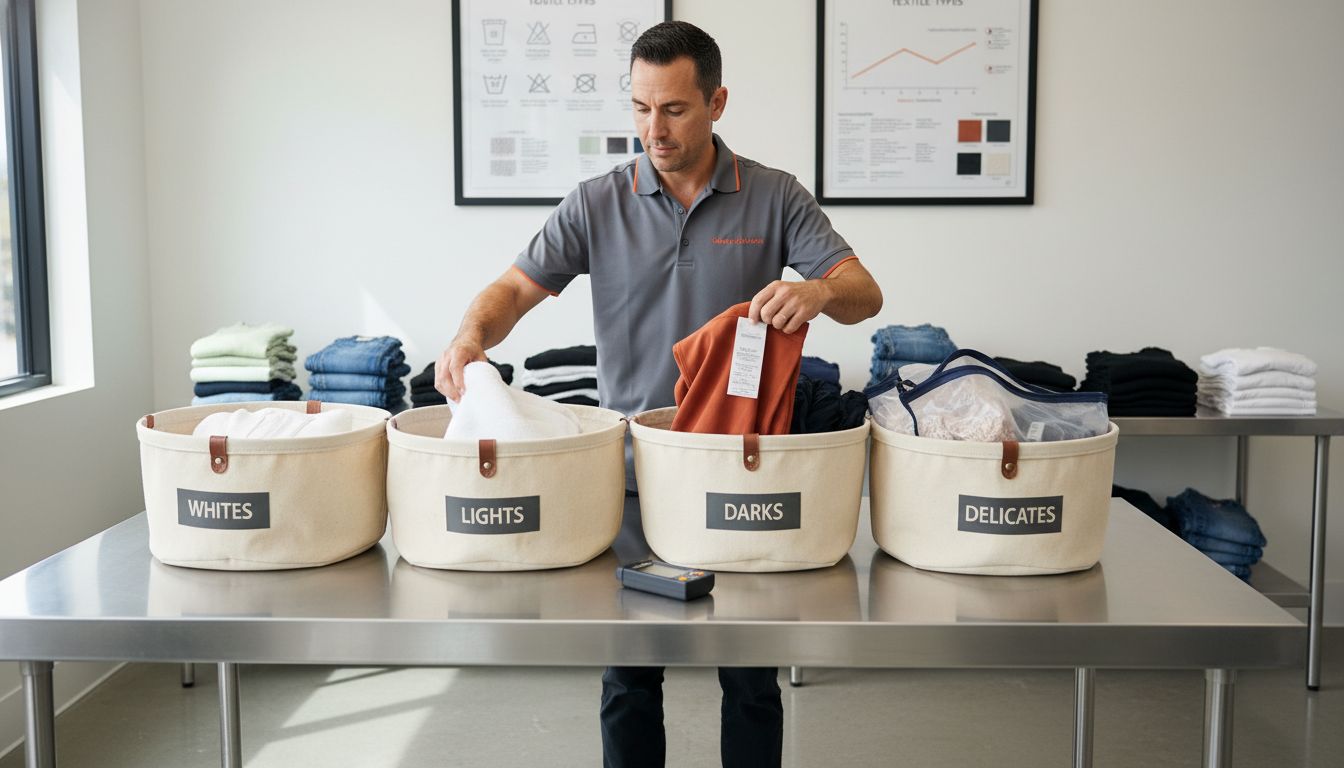
Every piece of clothing in your wardrobe represents an investment. Whether it’s an expensive winter coat, a favorite pair of jeans, a business suit, or a simple cotton T-shirt, proper care can make a significant difference in how long your garments last. Unfortunately, many clothes wear out long before they should because of incorrect washing, poor storage, or neglect.
Learning how to care for your clothes doesn’t require professional skills. By following the right cleaning methods, treating stains properly, storing garments correctly, and making small repairs when needed, you can keep your wardrobe looking fresh while saving money on replacements.
Why Proper Clothing Care Matters
Taking care of clothing offers several benefits beyond simply keeping garments clean.
Proper maintenance helps:
- Extend the lifespan of clothing
- Preserve colors and fabric texture
- Prevent shrinking and stretching
- Reduce clothing replacement costs
- Maintain professional appearance
- Minimize environmental waste
- Keep garments comfortable to wear
Small habits performed consistently often make a bigger difference than expensive cleaning products.
Always Read the Care Label
Before washing any garment, check the manufacturer’s care label.
The label provides important information such as:
- Machine wash or hand wash
- Water temperature
- Bleach instructions
- Drying recommendations
- Ironing temperature
- Dry cleaning requirements
Ignoring these instructions is one of the most common reasons clothing becomes damaged.
Sort Laundry the Right Way
Throwing everything into one washing machine load may save time, but it often shortens clothing life.
Separate laundry into categories:
By Color
- White clothing
- Light colors
- Dark colors
- Bright colors
This prevents color bleeding and fading.
By Fabric Type
Separate delicate fabrics from heavier materials.
Examples include:
- Cotton
- Denim
- Wool
- Silk
- Polyester
- Linen
- Athletic fabrics
Heavy towels and jeans can damage lightweight garments during washing.
By Soil Level
Very dirty work clothes should be washed separately from lightly worn garments.
This helps prevent dirt from transferring between items.
Choose the Right Water Temperature
Water temperature affects cleaning performance and fabric durability.
Cold Water
Best for:
- Dark clothing
- Delicate fabrics
- Bright colors
- Synthetic materials
Cold water helps reduce fading and shrinking.
Warm Water
Suitable for:
- Cotton blends
- Everyday clothing
- Moderate stains
Warm water balances cleaning performance with fabric protection.
Hot Water
Recommended only for:
- White towels
- Bedding
- Heavily soiled items
Frequent hot water washing can weaken fibers and fade colors.
Select the Correct Laundry Detergent
Not every detergent works equally well for every fabric.
Consider using:
- Regular detergent for everyday laundry
- Gentle detergent for delicate fabrics
- Color-safe detergent for dark clothing
- Fragrance-free detergent for sensitive skin
- Sports detergent for activewear
Using too much detergent leaves residue that attracts dirt and stiffens fabric.
Avoid Overloading the Washing Machine
Stuffing the washer full reduces cleaning effectiveness.
Overloaded machines cause:
- Incomplete rinsing
- Wrinkles
- Fabric friction
- Stretching
- Poor stain removal
Clothes should move freely inside the drum for proper cleaning.
Protect Delicate Garments
Certain clothing requires extra protection.
Use mesh laundry bags for:
- Lingerie
- Bras
- Hosiery
- Silk garments
- Lightweight tops
Fasten zippers and buttons before washing to prevent snagging other garments.
Hand Washing Delicate Fabrics
Some materials last much longer when hand washed.
Ideal candidates include:
- Silk
- Cashmere
- Lace
- Wool
- Embellished clothing
Use cool water and mild detergent.
Avoid twisting or wringing delicate fabrics. Instead, gently press out excess water with a towel.
Dry Cleaning: When Is It Necessary?
Some garments should never be machine washed.
Dry cleaning is recommended for:
- Structured suits
- Formal dresses
- Wool coats
- Certain silk garments
- Leather-trimmed clothing
- Items labeled “Dry Clean Only”
Professional cleaning helps preserve garment structure, shape, and fabric finish.
Common Washing Mistakes to Avoid
Many clothing problems result from avoidable mistakes.
Avoid:
- Washing everything together
- Using excessive detergent
- Ignoring care labels
- Leaving wet clothes in the washer
- Overusing fabric softener
- Washing delicate items too often
Simple adjustments can dramatically extend garment life.
Safe Drying Methods
Drying is just as important as washing.
Air Drying
Air drying is the safest method for many fabrics.
Benefits include:
- Less shrinking
- Reduced fading
- Longer fabric life
- Lower energy costs
Hang shirts properly or lay sweaters flat to maintain their shape.
Machine Drying
If using a dryer:
- Choose low heat whenever possible.
- Remove clothes promptly.
- Avoid overdrying.
- Clean the lint filter regularly.
High heat is one of the leading causes of clothing damage.
Proper Ironing Techniques
Ironing keeps garments looking polished, but excessive heat can scorch fabrics.
General guidelines:
- Cotton: High heat
- Linen: High heat with steam
- Polyester: Low heat
- Silk: Low heat
- Wool: Medium heat with pressing cloth
Always iron garments inside out when possible.
Stain Removal Basics
Quick action is the key to successful stain removal.
The longer a stain sits, the harder it becomes to remove.
Blot stains gently instead of rubbing.
Rubbing pushes stains deeper into fabric fibers.
Removing Common Clothing Stains
Coffee Stains
- Blot immediately.
- Rinse with cold water.
- Apply liquid detergent.
- Wash normally.
Grease Stains
Sprinkle baking soda or cornstarch over fresh grease.
Allow it to absorb the oil before washing.
Ink Stains
Use rubbing alcohol on washable fabrics.
Test on a hidden area first.
Blood Stains
Always use cold water.
Hot water permanently sets blood stains.
Wine Stains
Blot excess liquid.
Apply cold water immediately before treating with stain remover.
Makeup Stains
Use a small amount of dish soap or makeup remover before washing.
Fabric Protection Tips
Preventing damage is easier than fixing it.
Helpful habits include:
- Rotate frequently worn clothing.
- Avoid excessive sun exposure.
- Keep garments away from rough surfaces.
- Store clean clothing only.
- Use padded hangers for delicate garments.
Fabric protection helps clothing maintain its original appearance.
Caring for Different Fabric Types
Cotton
Cotton is durable but may shrink.
Wash in cold or warm water and avoid excessive heat during drying.
Wool
Wool requires gentle handling.
Hand wash or dry clean depending on the label.
Lay flat to dry.
Silk
Use mild detergent.
Avoid direct sunlight while drying.
Never twist silk garments.
Linen
Wash gently and iron while slightly damp for best results.
Denim
Turn jeans inside out before washing.
Wash less frequently to preserve color.
Air drying helps prevent shrinkage.
Polyester
Polyester resists wrinkles but attracts odors.
Wash with warm water and avoid high dryer temperatures.
Seasonal Clothing Storage
Proper storage prevents mold, fading, insects, and permanent wrinkles.
Before storing seasonal clothing:
- Wash everything.
- Repair damaged items.
- Fold heavy sweaters.
- Hang coats properly.
- Use breathable storage bags.
Never store dirty clothing because stains become harder to remove over time.
Choosing the Right Hangers
Different garments require different hanger styles.
Best options include:
- Wooden hangers for suits
- Padded hangers for delicate clothing
- Wide hangers for coats
- Slim velvet hangers for shirts
Wire hangers may distort garment shape over time.
Folding vs Hanging
Knowing which garments to fold and which to hang prevents stretching.
Fold
- Sweaters
- Knitwear
- T-shirts
- Sweatshirts
Hang
- Dresses
- Jackets
- Blazers
- Button-down shirts
- Formal wear
Heavy knitted garments should never remain on hangers for extended periods.
Protecting Clothing From Moths and Pests
Natural fibers like wool are especially vulnerable.
Prevention methods include:
- Clean garments before storage.
- Use airtight containers.
- Add cedar blocks.
- Inspect storage areas regularly.
Avoid storing clothing in damp environments.
Simple Clothing Repairs Everyone Should Know
Learning basic repair skills saves money and extends clothing life.
Useful skills include:
- Sewing loose buttons
- Repairing small tears
- Fixing loose hems
- Replacing broken zippers
- Reinforcing weak seams
Many repairs take less than fifteen minutes.
Caring for Shoes Alongside Clothing
Well-maintained shoes help complete a polished wardrobe.
Regular care includes:
- Cleaning after use
- Conditioning leather
- Using shoe trees
- Rotating pairs
- Waterproofing before rainy seasons
Proper shoe care reduces premature wear.
How Often Should You Wash Clothes?
Not every item requires washing after one use.
General recommendations:
- Underwear: After every wear
- Socks: After every wear
- Gym clothes: After every workout
- T-shirts: One to two wears
- Jeans: Every five to ten wears
- Sweaters: Three to five wears
- Jackets: Occasionally unless visibly dirty
Washing less frequently often extends garment life.
Remove Pilling Safely
Small fabric balls, known as pills, make clothing appear old.
Use:
- Fabric shavers
- Sweater combs
- Pill removers
Avoid using scissors, which may accidentally cut fabric.
Prevent Color Fading
To keep colors vibrant:
- Wash inside out.
- Use cold water.
- Avoid direct sunlight.
- Choose gentle detergents.
- Limit high-temperature drying.
These habits significantly reduce fading over time.
Eliminate Clothing Odors
Persistent odors may remain even after washing.
Solutions include:
- White vinegar during rinse cycles
- Baking soda in the wash
- Air drying outdoors
- Proper storage ventilation
Avoid masking odors with excessive fragrance products.
Travel Tips for Garment Protection
When packing clothing:
- Roll casual clothes.
- Fold formal garments carefully.
- Use garment bags for suits and dresses.
- Pack shoes separately.
- Carry stain-removal wipes.
These simple precautions reduce wrinkles and damage during travel.
Build a Clothing Maintenance Routine
Consistency is more important than occasional deep cleaning.
A good routine includes:
Weekly:
- Sort laundry carefully.
- Treat stains immediately.
- Air out jackets.
Monthly:
- Inspect clothing for repairs.
- Clean shoes.
- Organize closets.
Seasonally:
- Rotate wardrobes.
- Wash stored clothing.
- Replace damaged hangers.
- Check for pests.
Regular maintenance keeps clothing looking newer year after year.
Sustainable Benefits of Proper Clothing Care
Taking better care of clothing benefits both your wallet and the environment.
Longer-lasting garments reduce:
- Textile waste
- Water consumption
- Manufacturing demand
- Household expenses
Buying fewer replacement items also encourages more thoughtful shopping habits.
Final Thoughts
Clothing lasts much longer when it’s treated with care from the very first wear. Simple habits like reading care labels, washing garments correctly, removing stains quickly, storing seasonal items properly, and making small repairs can add years to the life of your wardrobe.
You don’t need expensive equipment or professional cleaning for every garment. Most clothing stays in excellent condition through careful washing, proper drying, thoughtful storage, and regular maintenance. By investing a little time into garment care today, you’ll enjoy better-looking clothes, save money on replacements, and build a wardrobe that remains stylish and dependable for years to come.
 Tiberius