 By Caleb
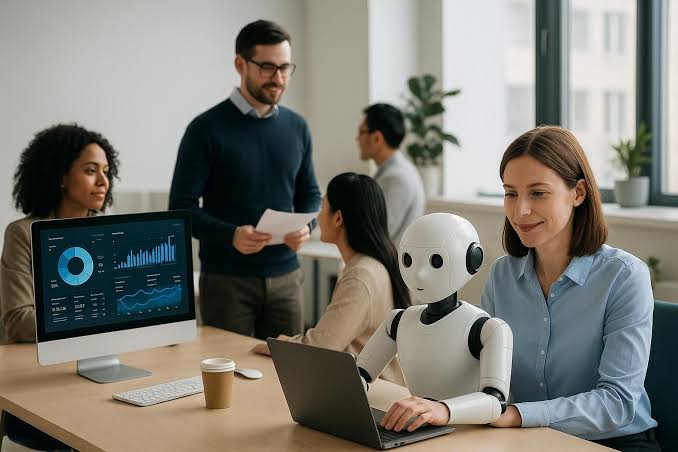
Artificial intelligence is no longer a concept limited to research laboratories or large technology companies. It has become part of everyday digital experiences, changing how people work, communicate, learn, shop, and manage their personal tasks. From smart assistants and recommendation systems to automated business tools, AI is quietly transforming the way humans interact with technology.
As digital innovation continues to grow, understanding artificial intelligence has become important for anyone who wants to stay updated with modern technology. Platform JustOnlineClub.com helps readers explore technology trends, digital tools, and online developments in a simpler and more accessible way.
Technology has always evolved to make human activities easier and more efficient. Computers replaced many manual processes, the internet connected people globally, and smartphones placed powerful tools in everyone’s hands. Artificial intelligence represents another major step in this digital transformation.
AI allows machines and software systems to analyze information, recognize patterns, understand user behavior, and perform tasks that previously required human involvement. Instead of simply following fixed instructions, modern AI systems can learn from data and improve their performance over time.
Today, artificial intelligence is used in many areas, including:
- Personal productivity applications
- Online customer support
- Healthcare technology
- Financial services
- Education platforms
- Cybersecurity systems
- Content creation tools
- Business automation
The widespread adoption of AI shows that it is not just a future possibility. It is already influencing how people interact with technology every day.
Many people use artificial intelligence without even realizing it. Several common digital experiences depend on AI-powered systems working behind the scenes.
For example, search engines use intelligent algorithms to understand what users are looking for and provide more relevant results. Streaming platforms analyze viewing habits to suggest movies and shows. Email applications identify spam messages and organize important communication.
These improvements make digital experiences faster and more personalized.
AI helps technology understand users better by analyzing:
- User preferences
- Search behavior
- Interaction patterns
- Previous choices
- Real-time activity
Instead of providing the same experience to everyone, AI allows platforms to adapt according to individual needs.
One of the biggest areas influenced by AI is the workplace. Businesses across different industries are adopting AI tools to improve efficiency, reduce repetitive tasks, and support better decision-making.
Employees now use AI for activities such as:
- Creating reports
- Organizing information
- Managing schedules
- Analyzing business data
- Improving communication
- Automating routine processes
However, AI is not simply replacing human skills. In many cases, it works as a support system that allows people to focus on more creative, strategic, and problem-solving activities.
The future workplace will likely involve stronger collaboration between humans and intelligent technologies. People who understand how to use AI effectively will have new opportunities to improve productivity and innovation.
In the past, advanced technology often required technical knowledge. Many software systems were difficult for beginners to understand, and businesses needed specialized teams to manage complex processes.
Artificial intelligence is changing this situation.
Modern AI-powered tools are making technology easier for everyday users. People can now use intelligent applications for tasks that previously required professional expertise.
Examples include:
- AI writing assistants
- Automated design platforms
- Voice recognition systems
- Translation tools
- Smart scheduling applications
- Data analysis solutions
This accessibility allows more individuals, entrepreneurs, and small businesses to benefit from advanced technology.
Education is another area experiencing major changes because of artificial intelligence. Digital learning platforms are using AI to create more personalized experiences for students.
Traditional education often follows the same approach for every learner. AI can help identify individual strengths, weaknesses, and learning patterns to provide customized recommendations.
AI can support education through:
- Personalized learning paths
- Automated feedback
- Intelligent tutoring systems
- Language learning assistance
- Research support
Students can use AI tools to understand difficult concepts, improve skills, and access learning resources more efficiently.
Technology changes quickly. New applications, platforms, and innovations appear regularly, making it challenging for users to stay informed.
Understanding digital trends helps people make smarter decisions about the tools they use. Whether someone is a student, professional, business owner, or technology enthusiast, keeping up with developments provides valuable advantages.
Reliable technology-focused platforms play an important role by explaining complex topics in a simple way. Websites like JustOnlineClub.com focus on sharing digital insights and technology-related information that helps readers better understand the changing online world.
Businesses are among the biggest beneficiaries of artificial intelligence. Companies are using AI solutions to improve customer experiences, analyze market trends, and increase operational efficiency.
Small businesses especially benefit from affordable AI tools that were once available only to large organizations.
AI can help businesses with:
AI chat systems can answer common questions, provide instant assistance, and improve customer communication.
Businesses can analyze customer behavior and create more targeted marketing strategies.
AI can process large amounts of information quickly, helping companies identify trends and opportunities.
Repeating tasks can be handled by intelligent systems, allowing employees to focus on higher-value responsibilities.
As AI technology continues developing, businesses that adapt early may gain stronger advantages in competitive markets.
Although artificial intelligence offers many benefits, it also creates important challenges that need attention.
One major concern is data privacy. AI systems often require large amounts of information to function effectively, making responsible data management essential.
Other challenges include:
- Protecting personal information
- Ensuring accurate AI results
- Reducing technology misuse
- Maintaining human decision-making control
- Developing ethical AI practices
Technology should always be created and used responsibly. The goal of AI should be improving human experiences rather than creating unnecessary risks.
There is often discussion about whether artificial intelligence will replace human abilities. However, the relationship between humans and AI is more complex.
AI can process information quickly, but humans provide creativity, emotional understanding, critical thinking, and personal judgment.
The strongest results often come from combining human skills with AI capabilities.
For example:
- Designers can use AI tools while maintaining creative control.
- Writers can use AI assistance while adding personal perspectives.
- Businesses can use AI analysis while making decisions based on human experience.
AI works best as a powerful tool that supports human potential.
The future of artificial intelligence will likely bring even deeper integration between technology and daily life. As AI systems become more advanced, people can expect smarter applications, improved automation, and more personalized digital experiences.
Future developments may include:
- More intelligent virtual assistants
- Advanced healthcare solutions
- Smarter smart-home technology
- Improved cybersecurity systems
- More efficient business automation
- Enhanced learning platforms
The key challenge will be balancing innovation with responsible use.
Technology should continue moving forward while maintaining security, transparency, and user trust.
The digital world rewards people who understand change. New technologies create opportunities, but those opportunities are easier to recognize when people have the right knowledge.
Following technology developments helps users:
- Discover useful digital tools
- Improve productivity
- Make informed technology decisions
- Understand online changes
- Prepare for future opportunities
As artificial intelligence becomes more common, digital awareness will become an important skill for individuals and businesses.
Artificial intelligence is changing modern technology by making digital experiences smarter, faster, and more personalized. From improving workplace productivity to transforming education and business operations, AI is becoming a major part of everyday life.
The future of technology will not only depend on advanced machines but also on how effectively people understand and use these innovations. Staying informed about digital trends allows individuals and organizations to make better decisions in an increasingly connected world.
Technology platforms such as JustOnlineClub.com provide valuable insights into these developments by helping readers explore important digital topics and understand how emerging technologies influence the future.
As artificial intelligence continues evolving, learning about its possibilities and challenges will help people confidently navigate the next generation of digital innovation.
 Tiberius