 By Caleb
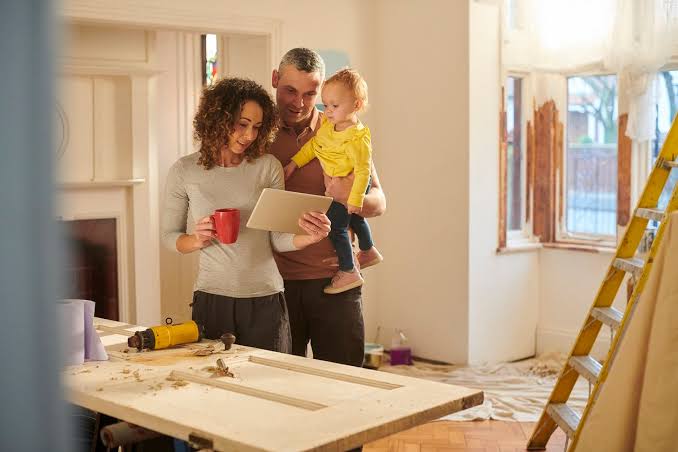
Home renovation is exciting because it gives you the chance to improve your living space, increase your home’s value, and create a more comfortable environment. Whether you’re remodeling a kitchen, updating a bathroom, replacing flooring, or adding a new room, every renovation project comes with one important responsibility: keeping everyone safe.
Construction zones inside a home can expose family members to dust, sharp tools, electrical hazards, falling objects, and harmful materials. Young children, older adults, and pets are especially vulnerable because they may not recognize these dangers. Taking the right safety precautions before work begins can prevent accidents, reduce stress, and keep your renovation project running smoothly.
This guide explains practical ways to protect your family during home construction and remodeling work.
Safety begins long before demolition starts. A well-planned renovation reduces confusion and helps everyone understand what areas are off-limits.
Start by discussing the renovation schedule with everyone in the household. Explain which rooms will be under construction, how long the work may take, and what safety rules everyone should follow.
Create a simple plan that includes:
- Areas that will remain safe for daily living
- Emergency exits that stay accessible
- Temporary storage for furniture and belongings
- Safe walking paths through the house
- Contact information for contractors or project managers
When everyone knows what to expect, there is less chance of accidental injuries.
Children are naturally curious. A room filled with tools, exposed wiring, and building materials can quickly become dangerous.
Whenever possible, completely block access to renovation areas using locked doors, temporary barriers, or safety gates.
Teach children that construction zones are never play areas. Even if workers are not present, hazards may remain.
Common risks include:
- Sharp nails and screws
- Power tools
- Unstable ladders
- Heavy building materials
- Wet paint and chemicals
- Exposed electrical wiring
If children are home during the renovation, supervise them closely and remind them regularly about restricted areas.
Pets often become anxious during renovations because of loud noises, unfamiliar people, and changing surroundings.
To keep them safe:
- Keep pets in a quiet room away from construction.
- Store food and water away from dusty areas.
- Prevent access to paints, adhesives, and cleaning chemicals.
- Make sure doors and gates remain closed so pets cannot escape.
Some homeowners choose to leave pets with family members or at a boarding facility during major remodeling projects to reduce stress and improve safety.
Dust is one of the biggest challenges during home renovation. Cutting drywall, sanding wood, removing tile, and demolition can spread fine particles throughout the house.
Construction dust can affect indoor air quality and may cause irritation, allergies, or breathing problems.
Reduce dust by:
- Closing doors to work areas
- Using plastic dust barriers
- Covering furniture and electronics
- Running air purifiers with quality filters
- Cleaning floors regularly with damp cloths or mops
- Vacuuming with HEPA-filter vacuums
Workers should also clean up dust before leaving each day whenever possible.
Construction tools should never be left where children or pets can reach them.
At the end of each workday:
- Unplug power tools.
- Store sharp tools in secure containers.
- Coil extension cords neatly.
- Remove nails, screws, and small hardware from the floor.
- Lock expensive equipment if possible.
Good housekeeping reduces trip hazards and keeps the work area organized.
Electrical work requires extra caution.
If wiring is being replaced or new outlets are installed, only qualified professionals should handle electrical systems.
Family members should never touch exposed wires or temporary electrical connections.
Additional precautions include:
- Keep water away from electrical equipment.
- Do not overload extension cords.
- Replace damaged power cords immediately.
- Turn off electricity before electrical repairs begin.
Electrical accidents can cause serious injuries, so safety should never be compromised.
Many renovation projects involve products that release strong fumes, including:
- Paint
- Primers
- Wood stains
- Paint thinners
- Adhesives
- Sealants
- Cleaning products
Store these materials safely and keep them away from children and pets.
Always ensure proper ventilation by opening windows or using exhaust fans whenever recommended by the manufacturer.
Never mix different cleaning chemicals unless specifically instructed.
Both professionals and DIY homeowners should wear appropriate protective equipment based on the project.
Depending on the task, this may include:
- Safety glasses
- Dust masks or respirators
- Hearing protection
- Work gloves
- Hard hats for major construction
- Steel-toe boots
- Knee pads for flooring projects
Using proper safety gear helps prevent many common construction injuries.
Falls remain one of the most common accidents during home renovation.
Keep pathways clear by removing:
- Loose materials
- Extension cords
- Buckets
- Scrap wood
- Packaging
- Broken tiles
Immediately clean up spills from paint, water, or adhesives.
If ladders are being used, they should be placed on stable surfaces and inspected before every use.
Never stand on furniture as a substitute for a ladder.
Demolition creates additional safety risks because walls, flooring, and ceilings may become unstable.
Avoid entering demolition areas unless necessary.
Watch for hazards such as:
- Falling debris
- Flying dust
- Hidden nails
- Broken glass
- Sharp metal edges
- Loose flooring
Contractors should dispose of debris regularly instead of allowing waste to pile up around the worksite.
Older homes may contain materials that require special handling.
These can include:
- Lead-based paint
- Asbestos-containing materials
- Outdated electrical wiring
- Mold behind walls
- Water damage
- Structural weaknesses
Never attempt to remove hazardous materials without proper knowledge and equipment. Professional inspection may be necessary before renovation begins.
Fresh air is important throughout the renovation process.
Good ventilation helps remove:
- Dust
- Paint fumes
- Chemical odors
- Moisture
- Airborne particles
Opening windows, using exhaust fans, and operating air filtration systems can significantly improve indoor air quality.
If strong odors remain after work is completed, continue ventilating the space before allowing children or elderly family members to spend extended time there.
Every renovation project should include a basic emergency plan.
Keep these items easily accessible:
- Fully stocked first aid kit
- Flashlights
- Fire extinguisher
- Emergency contact numbers
- Charged mobile phones
Everyone in the home should know how to quickly leave the property if an emergency occurs.
Contractors should also know the location of shut-off valves for electricity, water, and gas.
Clear communication improves safety throughout the project.
Before work starts, discuss:
- Daily work hours
- Cleanup expectations
- Safety procedures
- Hazardous material handling
- Noise levels
- Restricted areas
Ask contractors to notify you before performing particularly hazardous tasks such as demolition, electrical work, roofing, or heavy lifting.
A professional contractor should be willing to answer safety questions and explain how risks will be managed.
When construction is complete, do a thorough inspection before returning to normal daily life.
Check that:
- All tools have been removed.
- Nails and sharp objects are cleaned up.
- Electrical outlets work properly.
- Smoke detectors are functioning.
- Floors are secure and level.
- Handrails are firmly installed.
- Dust has been thoroughly cleaned.
- Paint and chemical odors have mostly disappeared.
This final inspection helps ensure your newly renovated space is both beautiful and safe.
A successful home renovation is about more than updated finishes and modern designs. It should also create a safe environment for everyone living in the home.
By planning ahead, controlling hazards, supervising children and pets, maintaining a clean worksite, and working with qualified professionals, homeowners can greatly reduce the risks that come with construction and remodeling projects.
No renovation is completely free of challenges, but making safety a priority from the beginning protects your family, prevents costly accidents, and helps ensure the finished home is one you can enjoy with confidence for years to come.
 Tiberius